Ninety Days, One Stage, Zero Walls: A Season in the Life of an Open-Air Theatre Crew
Photo: Benny the mascot, CC BY-SA 3.0, via Wikimedia Commons
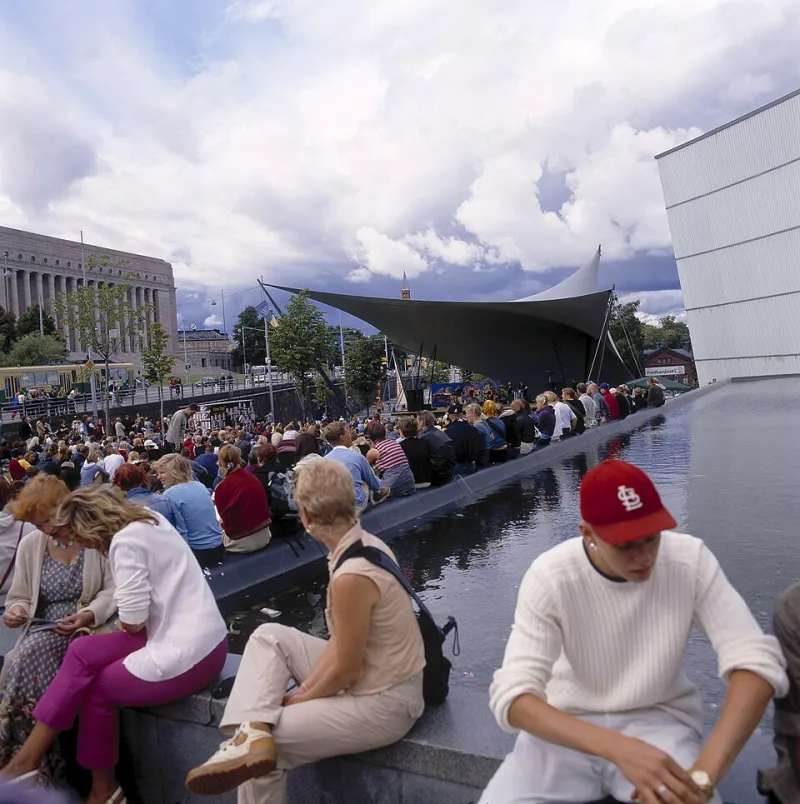
There's a moment every May at Kivinokka when the crew stops being a crew and becomes something closer to a survival team. The snow is finally gone. The gulls are back. And somewhere in the distance, a power drill whines as the first plank of the season's set goes up on a stage that has no roof, no walls, and absolutely no mercy.
If you've only ever seen theatre indoors — a Broadway house, a regional playhouse, the local black box — the Finnish summer season can sound like a logistical fever dream. Ninety days, give or take. One shot to get it right. And a sky that treats the script as a loose suggestion.
Building a Set That Fights Back
The season starts long before the first audience member finds their seat. In late April and early May, the build crew is out on the cape hauling lumber, rigging lights rated for coastal wind, and constructing sets that have to survive not just eight weeks of performances but eight weeks of Baltic weather in between.
"Everything is double-secured," one veteran stagehand told me, tightening a bracket with the casual confidence of someone who's chased a rolling prop across a stage in 30-mile-per-hour gusts. "Indoor theatre, you build for the audience. Out here, you build for the audience and the storm."
That means sacrificial materials. Waterproof everything. And a deep, almost spiritual respect for tarps.
The Midnight Sun Is a Lighting Designer
Here's something your average stage manager never has to think about: in June and July this far north, the sun barely sets. Early performances begin in full daylight, which means the lighting design isn't about creating mood from darkness — it's about negotiating with the sun.
Designers lean into it. A late-July 7 p.m. curtain gets that honeyed, endless golden-hour glow no LED rig can fake. By August, the calculus flips: darkness creeps back in, and suddenly the crew gets to actually use the light board. The season's final shows often have the most dramatic looks, precisely because the sky finally cooperates.
Weather: The Unpaid Ensemble Member
Every open-air company here has a story. The rain that started mid-monologue and didn't stop until intermission. The wind that turned a lightweight backdrop into a ship's sail. The July cold snap that had the cast performing comedy in winter coats smuggled under their costumes.
The trick, performers say, is surrender. You cannot out-stubborn the weather, so you fold it into the show. A sudden downpour becomes a shared joke with the audience — everyone huddles under the same umbrellas, and for two minutes, it's less a performance than a group of strangers having an experience together. American audiences used to climate-controlled venues often describe this as the most memorable part of the night.
And then there are the mosquitoes. Every Finnish open-air performer has a mosquito story, and they all end the same way: with a quiet, dignified refusal to break character while something buzzes past your ear mid-aria.
Why Ninety Days Makes the Bonds Stronger
Ask anyone who's done a summer out here why they keep coming back, and they'll talk less about the shows and more about the people. A compressed season with high stakes and shared discomfort forges friendships fast. There's no green room to hide in — the whole cape is the green room. Cast, crew, and volunteers eat together, dry out together, and celebrate together when a show lands.
The audiences feel it too. Regulars return year after year, bringing blankets and thermoses like it's a tailgate. Tourists stumble in curious and leave converted, wondering why their hometown doesn't do theatre on a waterfront.
The Final Curtain
By late August, the light comes earlier each evening, and the crew starts the delicate work of striking the set — knowing the Baltic winter will spend months testing everything they didn't take down. The final performance is always bittersweet: the season is short, wild, and over before you're ready.
But that's the point. Indoor theatre promises permanence. Open-air theatre promises something rarer — a night you couldn't have had anywhere else, shaped by wind, light, and a hundred people choosing to be there.
We'll see you on the cape next summer. Bring a blanket. Maybe an umbrella. Definitely bug spray.